What is educational therapy?

PURPOSE
The purpose of this website is to raise awareness about educational therapy, its principles, and its significance in supporting children with learning disabilities. It seeks to highlight the role of educational therapy in enhancing educational outcomes and facilitating the overall development of neurodiverse children.

Educating about Educational Therapy
This website aims to provide comprehensive information about what educational therapy is, its history, theoretical foundations, and how it differs from other allied professions while being connected to them. It seeks to dispel misconceptions and foster a clear understanding of the unique contributions and benefits of educational therapy.
Educating about Ethics, Education, and Professionalism
This website also emphasizes the importance of educational therapists being specifically trained to do their job, with a deep understanding of ethical considerations when working with vulnerable populations within the boundaries of the field. It promotes the understanding that neurodiverse children require specialized interventions and support to overcome academic challenges and enhance their overall educational experience as part of a therapeutic relationship.
Educating about the Science of Learning
This website emphasizes that the practice of educational therapy is based on neuroscience based principles, learning, and developmental theory, highlighting evidence-based practices, individualized interventions, and the importance of addressing the underlying cognitive, social-emotional, and behavioral factors that impact learning.
Educating about Ableism
This website highlights the importance of advocacy as part of the job of the educational therapist and demonstrates an understanding of the rights and needs of people with learning disabilities and the need for changing systems and creating more inclusive environments that promote collaboration among parents, educators, and other professionals as part of a community of advocates.
Image Courtesy of the Association of Educational Therapists (AET)
Educational therapy vs Tutoring CHART

Created by Chrysta Powell using ChatGBT

“Gifted students with processing speed problems who are ‘missed,’ misdiagnosed, or mis-taught may become discouraged, depressed, undereducated, underemployed, or worse.
By contrast, when these twice exceptional (2e) children are understood and well-addressed educationally, they can become treasures who shine in unique ways.”
S. Bunik

EXPLAINING BRAINS
How to Explain Neurodiversity to Kids & Families
Explaining Brains is a wonderfully useful and accessible resource for parents, teachers, practitioners and students. Visit this website for PARENT TOOLS, SCHOOL TOOLS, WEBINARS, PODCASTS, BLOGS, PRACTITIONER TOOLS & BOOKS! You'll find handouts, tools & training to support a neurodivergent affirming world.
Book Recommendations-available in print, KINDLE & AUDIOBOOK

The New Childhood
Breaking the Boy Code
Breaking the Boy Code
In The New Childhood, Jordan Shapiro provides a hopeful counterpoint to the fearful hand-wringing that has come to define our narrative around children and technology.

Breaking the Boy Code
Breaking the Boy Code
Breaking the Boy Code
This sweet, straightforward exploration of gender identity will give children a fuller understanding of themselves and others. With child-friendly language, It Feels Good to Be Yourself provides young listeners and parents alike with the vocabulary to discuss this important topic with sensitivity.
Boy Writers
Breaking the Boy Code
Boy Writers asks teachers to imagine the writing classroom from a boy's perspective, and consider specific steps we might take to create stimulating classrooms for boys.

May Tomorrow Be Awake
Adults often find it difficult to communicate with autistic students and try to “fix” them. But what if we found a way to help these kids use their natural gifts to convey their thoughts and feelings? What if the traditional structure of language prevents them from communicating the full depth of their experiences? What if the most effect
Adults often find it difficult to communicate with autistic students and try to “fix” them. But what if we found a way to help these kids use their natural gifts to convey their thoughts and feelings? What if the traditional structure of language prevents them from communicating the full depth of their experiences? What if the most effective and most immediate way for people on the spectrum to express themselves is through verse, which mirrors their sensory-rich experiences and patterned thoughts?
Untangled
In this sane, highly engaging, and informed guide for parents of daughters, Dr. Damour draws on decades of experience and the latest research to reveal the seven distinct—and absolutely normal—developmental transitions that turn girls into grown-ups, including Parting with Childhood, Contending with Adult Authority, Entering the Romantic World, and Caring for Herself.

The Happy Kid Handbook
By exploring the differences among introverts, extroverts, and everything in between, this definitive guide to parenting offers parents the specific strategies they need to meet their child exactly where he or she needs to be met from a social-emotional perspective. A back-to-basics guide to parenting, The Happy Kid Handbook is a must-have for any parent hoping to be the best parent they can be.
JUST ASK! by Sonia Sotomayor
In Just Ask, United States Supreme Court Justice Sonia Sotomayor celebrates the different abilities kids (and people of all ages) have. Using her own experience as a child who was diagnosed with diabetes, Justice Sotomayor writes about children with all sorts of challenges--and looks at the special powers those kids have as well. As the k
In Just Ask, United States Supreme Court Justice Sonia Sotomayor celebrates the different abilities kids (and people of all ages) have. Using her own experience as a child who was diagnosed with diabetes, Justice Sotomayor writes about children with all sorts of challenges--and looks at the special powers those kids have as well. As the kids work together to build a community garden, asking questions of each other along the way, this book encourages readers to do the same: When we come across someone who is different from us but we're not sure why, all we have to do is Just Ask.

Brain Building Books
The Brain Building Book is a personalizable workbook to help explain testing results or a diagnosis to children ages ~5-10 years old. Once complete, the child can share their book with loved ones, teachers, and others to help them become strong self-advocates.
Brain Building 101 is a personalizable workbook to help explain testing results
The Brain Building Book is a personalizable workbook to help explain testing results or a diagnosis to children ages ~5-10 years old. Once complete, the child can share their book with loved ones, teachers, and others to help them become strong self-advocates.
Brain Building 101 is a personalizable workbook to help explain testing results or a diagnosis to children ages 11 and older. Once complete, the child can share their book with loved ones, teachers, and others to help them become strong self-advocates.
Empower Your Neurodivergent Child
Empower Your Neurodivergent Child
Talking to your child about their diagnosis can be tricky. Our Brains is designed to help.
Written by Dr. Liz, a leading educational psychologist, Our Brains will help you turn an intimidating conversation into an empowering one.
Using interactive activities and vibrant imagery, you’ll explain how your child’s brain works best while teachi
Talking to your child about their diagnosis can be tricky. Our Brains is designed to help.
Written by Dr. Liz, a leading educational psychologist, Our Brains will help you turn an intimidating conversation into an empowering one.
Using interactive activities and vibrant imagery, you’ll explain how your child’s brain works best while teaching them how to advocate for themselves! Designed for ages 6-12.
Your Fantastic Elastic Brain
Empower Your Neurodivergent Child
Your Fantastic Elastic Brain is more than a book―it's a mindset revolution wrapped in a kid-friendly package. Written by renowned psychologist Dr. JoAnn Deak, this bestselling picture book will empower each young reader to S-T-R-E-T-C-H and grow their fantastic, elastic brain! Perfect for ages 4–8, it gently guides young readers through t
Your Fantastic Elastic Brain is more than a book―it's a mindset revolution wrapped in a kid-friendly package. Written by renowned psychologist Dr. JoAnn Deak, this bestselling picture book will empower each young reader to S-T-R-E-T-C-H and grow their fantastic, elastic brain! Perfect for ages 4–8, it gently guides young readers through the basics of brain anatomy and the powerful science of neuroplasticity. With vibrant illustrations and playful storytelling, it's a read-aloud experience that builds both knowledge and confidence.
How to Talk So Little Kids will Listen (Ages 2-7)
For nearly forty years, parents have turned to How to Talk So Kids Will Listen & Listen So Kids Will Talk for its respectful and effective solutions to the unending challenges of raising children. Now, in response to growing demand, Adele’s daughter, Joanna Faber, along with Julie King, tailor How to Talk’s powerful communication skills to parents of children ages two to seven.

All Brains Are Different
All Brains Are Different is a new children's book, which is dedicated to promoting acceptance and celebrating diversity. All Brains Are Different introduces the concept of neurodiversity to teachers, families and students, aiming to foster an environment where every student is valued and supported for their unique selves.
Age Range: Lower to mid primary school, but suitable for all ages.
ABOUT
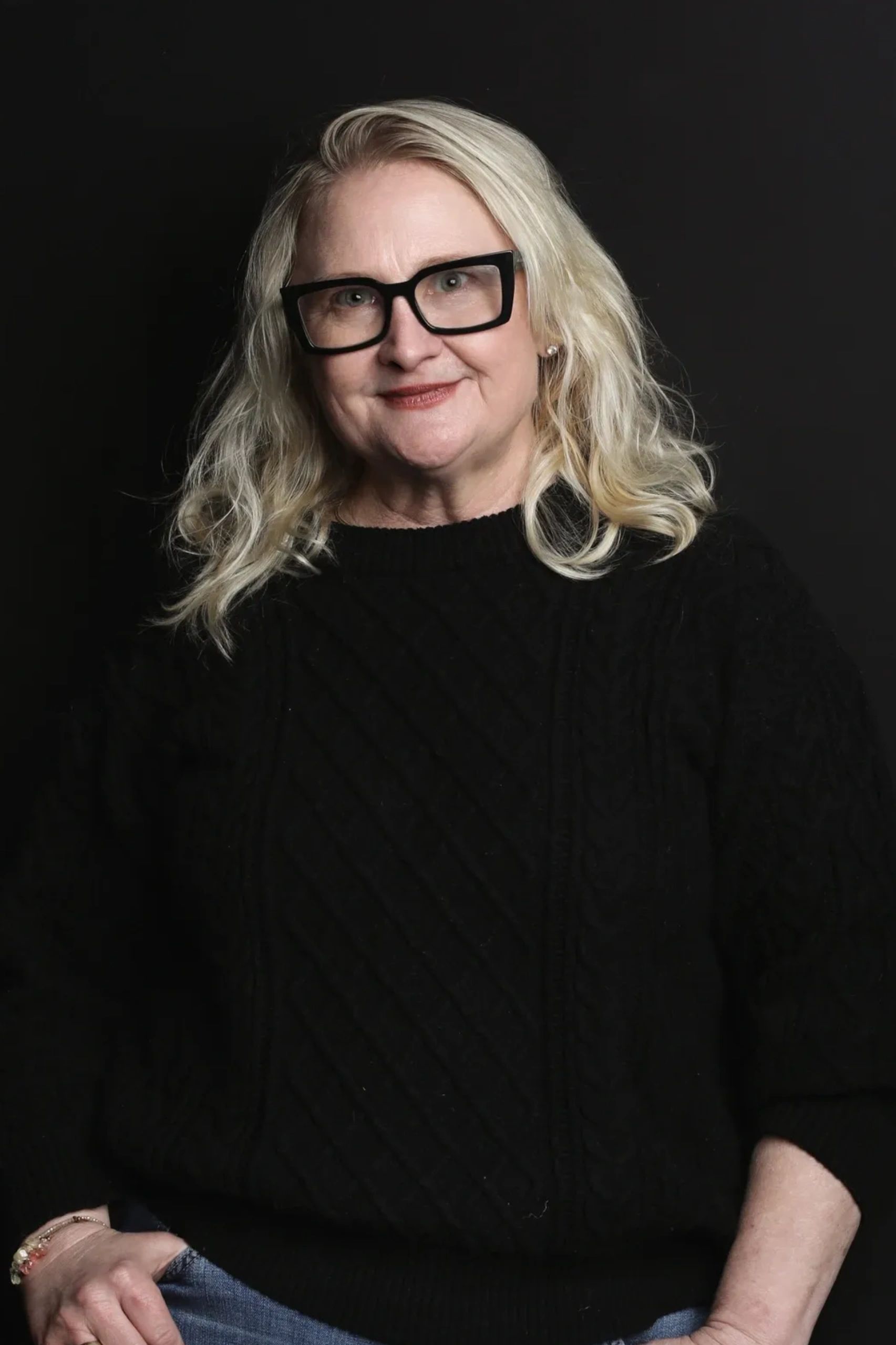
Chrysta Powell has a BA in Psychology, a Master's in Education, and a K-12 teaching credential from UCLA's Center X. Chrysta has been a public school teacher for 30+ years in SMMUSD, four of those years as a Mentor Teacher with the Cotsen Art of Teaching Program. Chrysta discovered the power of Educational Therapy (ET) as a parent of a child with learning differences and anxiety. Chrysta is currently in the ET & ECE Certification programs at the University of California, Santa Cruz.
Chrysta Powell, MEd
Los Angeles, California
Chrysta Powell's areas of expertise
30+ Years of Experience
• TK to 2nd Grade Students
• Pathways to College
• LGBTQ+ Youth, including Trans & Questioning Kids
• Anxiety & Depression
• Asynchronous Development
• Twice Exceptional (2e) Children
• ADHD or Possible ADHD
• Autism & Autism-like Behaviors
• Possible Learning Disabilities
• Families Living with Type 1 Diabetes
• Families Living with Seizure Disorders & Tuberous Sclerosis Complex
• IEP & 504 Meetings
• Social Justice Advocacy
• Social Emotional Learning
• Executive Functioning Needs
